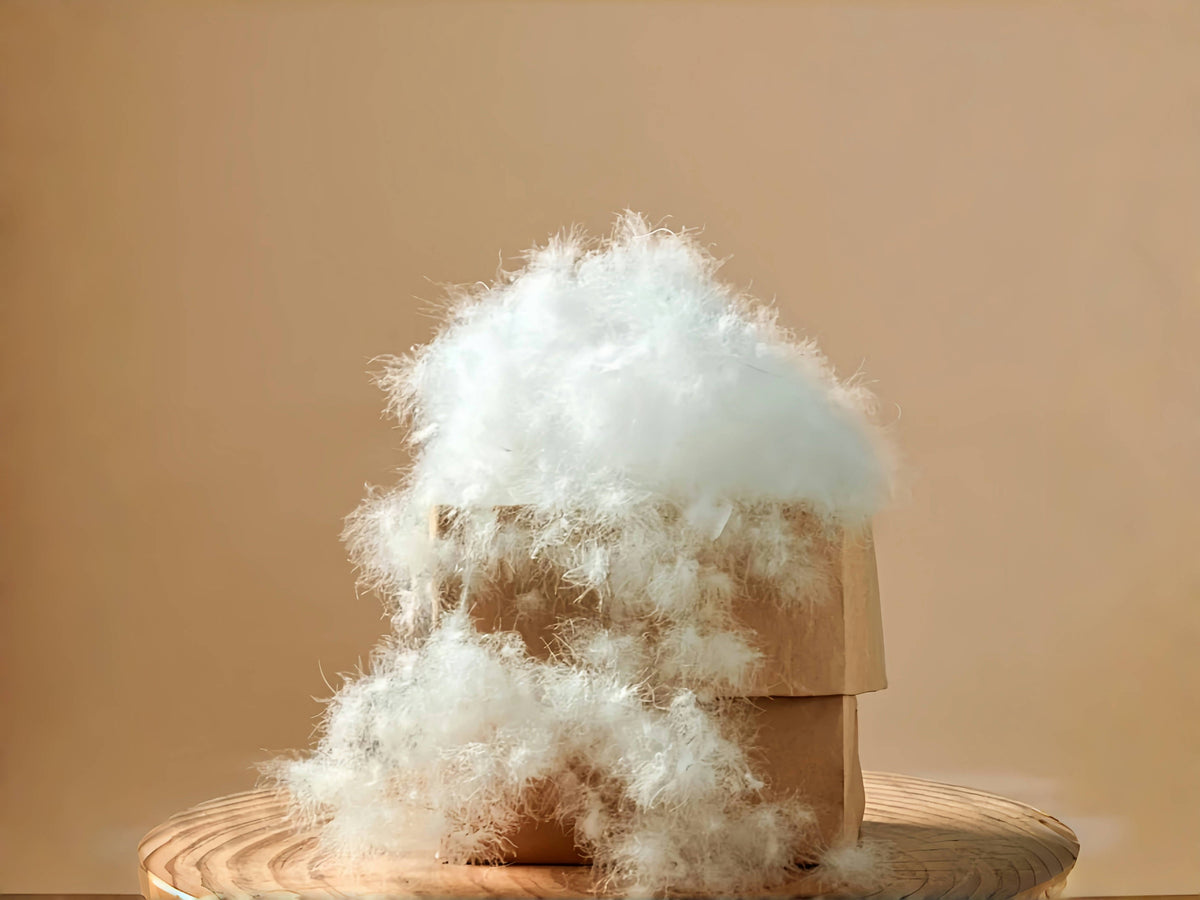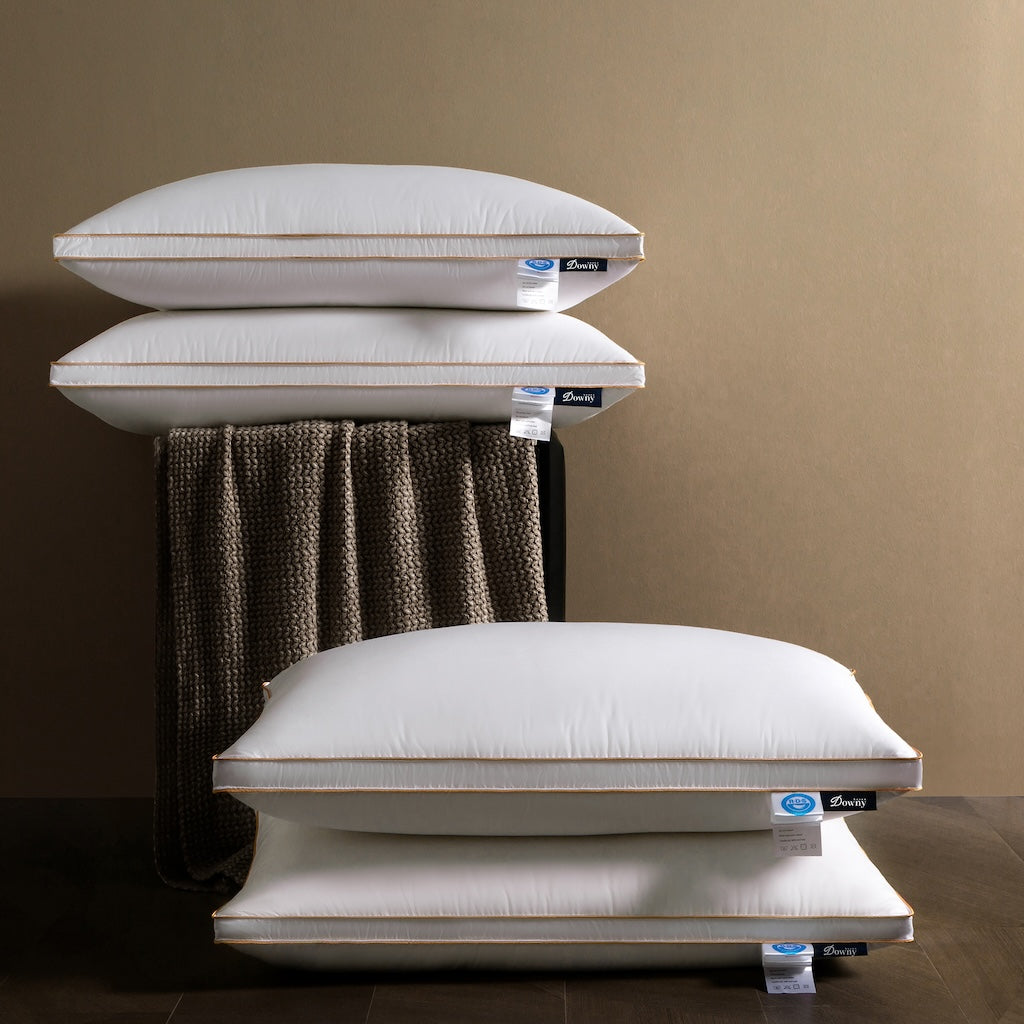


You can wash some goose down comforters at home, but only when the sewn-in care label permits it and your washer and dryer are large enough to handle the comforter without forcing or twisting it.
The biggest risk is not the wash cycle itself—it is incomplete drying. Down must be completely dry before the comforter is used or stored.
Before Washing: Check the Care Label
Do not assume every down comforter can be washed the same way.
Check for:
- Machine-wash instructions
- Water-temperature limits
- Drying instructions
- Bleach restrictions
- Professional-cleaning requirements
If your DownyHaven label differs from this general guide, follow the label.
Inspect the Comforter First
Before adding water, check the shell and seams.
Repair significant open seams or tears first. Washing a damaged comforter can allow fill to escape and may enlarge weak areas.
Use a Washer With Enough Space
A bulky comforter needs room to move.
If you have to tightly pack it into the drum, use a larger commercial machine or professional cleaner instead.
A large front-loading washer is often easier on bulky bedding than a machine with a central agitator, but the manufacturer’s instructions for your washer still matter.
Choose a Mild Detergent
If machine washing is permitted, use a small amount of a suitable mild detergent.
Avoid:
- Bleach unless specifically permitted
- Fabric softener
- Excessive detergent
- Harsh stain treatments that are not approved for the shell
Too much detergent can be difficult to rinse from bulky down bedding.
Use the Care-Label Water Temperature and Gentle Cycle
Do not automatically use hot water.
Select the temperature and cycle allowed by the care label. A gentle or bedding cycle may be appropriate when specified.
Rinse Thoroughly
Residual detergent can leave the filling feeling heavy or uneven.
If your machine allows an additional rinse and the care instructions permit it, an extra rinse can help remove detergent residue.
How to Dry a Goose Down Comforter
Drying takes time because a comforter can feel dry on the shell while down inside the baffles remains damp.
Use a Large-Capacity Dryer if the Label Allows
Choose the label-approved low-heat or no-heat setting. Give the comforter enough space to tumble rather than remain packed against the drum.
Pause and Redistribute the Fill
Periodically remove the comforter, break up damp clumps gently, and redistribute the fill before continuing.
Keep Drying Until No Damp Areas Remain
Check several sections, especially dense corners and baffle intersections.
If any section feels cool, heavy, or damp, continue drying.
Can You Air-Dry a Goose Down Comforter?
Air-drying is possible only in suitable conditions, but a saturated comforter is much harder to air-dry completely than a pillow.
If the label permits air-drying, support the comforter across a large breathable area, maintain strong airflow, turn it frequently, and redistribute the down.
If you cannot get the interior fully dry, use an approved dryer or professional service.
How Often Should You Wash a Down Comforter?
There is no universal schedule.
Using a duvet cover can reduce direct contact with body oils and spills, which may reduce how often the filled comforter itself needs full washing.
Wash according to actual need and the care label rather than on an unnecessarily frequent routine.
Common Washing Mistakes
- Forcing a King comforter into a small washer
- Using too much detergent
- Using fabric softener
- Washing a comforter with open seams
- Using excessive heat
- Stopping the drying process too early
- Storing the comforter before it is completely dry
When to Use Professional Cleaning
Professional care may be the better option when:
- The care label recommends it
- Your washer or dryer is too small
- The shell is delicate or damaged
- The comforter has a major stain
- You cannot dry it completely at home
Frequently Asked Questions
Can I wash a goose down comforter in a regular washing machine?
Only if the care label allows machine washing and the machine has enough capacity for the comforter to move freely.
Why does my comforter look flat after washing?
Wet down clusters together. Loft usually improves as the filling dries completely and is redistributed.
Can I use dryer balls?
If the care label and dryer manufacturer allow them, clean dryer balls can help separate filling during tumble drying. Avoid anything sharp or dirty that could damage the shell.
Why does wet down smell stronger?
Natural down can have a more noticeable scent while damp. Persistent musty odor after drying may indicate retained moisture.
Wash Carefully—Dry Completely
Those are the two rules that matter most.
For routine maintenance, read How to Clean and Maintain Goose Down Bedding or visit the DownyHaven Washing Guide.